Publicado el

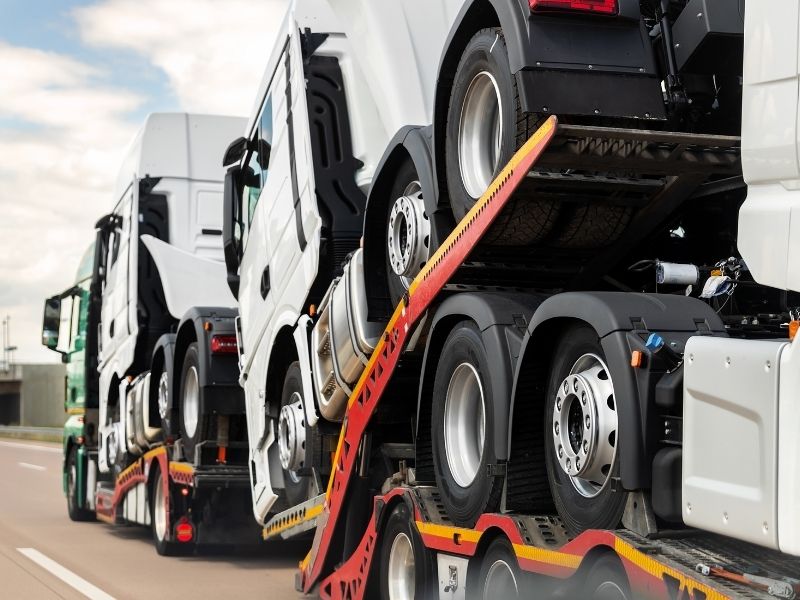
When is towing necessary vs. on-site repair?

When is towing necessary vs. on-site repair

In the trucking industry, the «Tow vs. Repair» decision is a high-stakes calculation. A heavy-duty tow service is not just expensive; it’s a logistical complication that takes your equipment out of play and often dictates which shop you use. On the other hand, attempting a roadside repair on a catastrophic failure is a waste of time and money. For a professional driver, knowing where to draw the line is essential for protecting both the truck and the bottom line.

The goal is always to maximize uptime. Mobile repair services have become incredibly advanced, capable of handling everything from computer diagnostics to hub seals on the shoulder of a highway. However, environmental factors, safety concerns, and the nature of the mechanical failure will ultimately determine if the truck can be fixed where it stands or if it needs to be «hooked.»

The «roadside-first» candidates

Many common breakdowns are perfectly suited for on-site repair. Most issues involving the «Big Three»—tires, air systems, and peripheral engine components—can be handled by a well-equipped service truck. If the truck is in a safe location with a wide shoulder, a mobile technician can often have you back in the driver’s seat in less than two hours.

Issues such as burst radiator hoses, blown air bags, frozen brake chambers, or simple sensor swaps are standard mobile repairs. Furthermore, modern diagnostic software allows mobile techs to clear «phantom» fault codes or perform forced regenerations on-site. If the engine is fundamentally sound and the issue is an external bolt-on component, on-site repair is almost always the faster and cheaper path.

Need roadside assistance? Call Marathon. We’re open 24/7 and we come to you.

When the hook is mandatory: Catastrophic and internal failures

A tow service becomes a necessity when the repair requires specialized heavy equipment or a «clean-room» environment. If the breakdown involves internal engine components, such as a dropped valve or a spun bearing, the repair cannot be performed in the wind and dust of the roadside. Similarly, major transmission failures or a snapped axle housing require the lifting capabilities and precision of a full-service shop.

Another critical factor is the «Stop Engine» light accompanied by mechanical noise. If the engine is knocking or has zero oil pressure, attempting to run it for diagnostics—even on the shoulder—can turn a repairable head gasket issue into a total engine replacement. In these cases, the cost of the tow is a small price to pay to save the «iron.»

See our tow service.

Safety and location: The deciding factors

Sometimes, the decision has nothing to do with the mechanical fault and everything to do with the environment. Even a simple 10-minute fix becomes a towing situation if the truck is stranded on a narrow bridge, a blind curve, or a high-traffic area with no shoulder. Safety is the ultimate trump card; if a technician cannot work on the vehicle without risking their life or the lives of other motorists, the truck must be moved.

Before you commit to a repair, evaluate your surroundings using the following criteria:

  • The five-foot rule: Is there at least five feet of clearance between the truck and the active travel lane?
  • Ground stability: Is the shoulder firm enough to support jacks and jack stands without the truck shifting?
  • Visibility: Are you on a straightaway where oncoming traffic can see your hazards from a distance?
  • Environmental regulations: Are you leaking fluids that could contaminate a nearby waterway? (A major leak often requires immediate towing to a contained facility).

You might be interested in: The benefits of on-site trailer welding services

The logistics of the «limp»

In some scenarios, you may be able to «limp» the truck to the nearest exit or truck stop. This is a middle ground between on-site repair and towing. If the truck has power but is restricted to low speeds due to a derate, moving it to a safe parking lot allows a mobile technician to work in a controlled environment. This avoids the «emergency» labor rates of a highway call-out while still avoiding the massive cost of a heavy-duty wrecker.

However, «limping» is a gamble. If the issue is related to cooling or lubrication, driving even one mile can cause permanent damage. Always consult with your fleet manager or a trusted technician over the phone before deciding to drive a compromised rig. If there is any doubt about the engine’s integrity, play it safe and call for the hook.

Call us for truck repair road service here. We are in Florida, Texas and Georgia. Open 24/7.
Publicado el

5 causes of diesel engine overheating

5 Causes of Diesel Engine Overheating

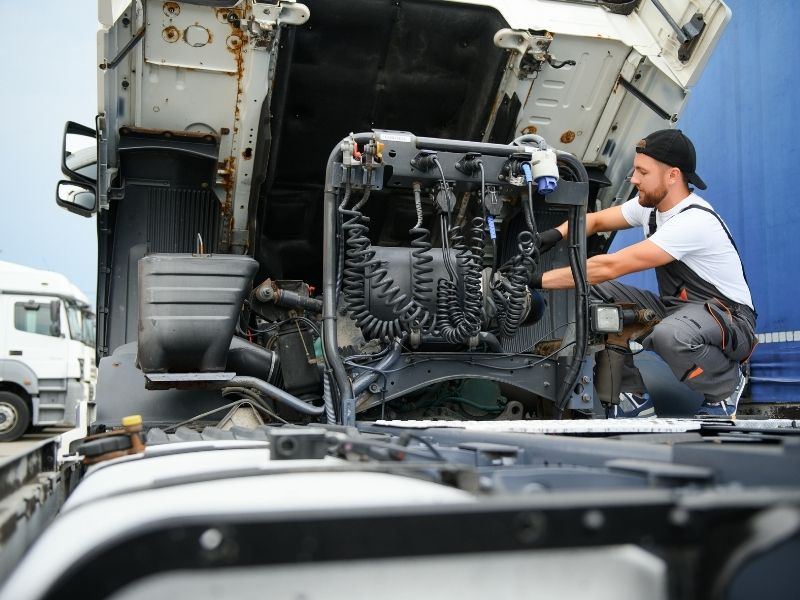
In the world of heavy-duty trucking, heat is the ultimate adversary. While diesel engines are designed to operate at high temperatures to achieve maximum combustion efficiency, there is a very thin line between «optimal» and «catastrophic.» An overheating engine doesn’t just threaten your schedule; it threatens the structural integrity of the cylinder head, the life of your turbocharger, and the health of your engine oil.

For drivers, the temperature gauge is a vital sign that requires constant monitoring. Unlike a passenger car, a semi-truck carrying 80,000 pounds generates an immense amount of thermal energy that must be managed by a complex network of pumps, fans, and heat exchangers. When the gauge starts to climb, it is usually a signal that one of five specific areas has failed.

1. Coolant leaks and low fluid levels

The most obvious cause of overheating is a lack of coolant. The cooling system is a closed loop; if the fluid level drops, it means there is a breach in that loop. This could be a «visible» leak, such as a burst radiator hose or a punctured radiator, or a «hidden» leak, such as a failing water pump seal or a leaking heater core. Without enough liquid to absorb and transport heat, the engine temperature will spike almost immediately.

Regularly checking the sight glass on your surge tank is the first line of defense. However, it is also important to look for signs of internal leaks. If you see white smoke from the exhaust or notice your coolant level dropping without a visible puddle on the ground, you may have a leaking head gasket or a cracked EGR cooler. These internal leaks are particularly dangerous because they can lead to «hydrolocking» the engine.

Stuck on the road? Call Marathon for fast and reliable mobile truck service repairs. We’re available 24/7 in Tampa.

2. Failing thermostats and water pumps

The thermostat acts as the gatekeeper of the cooling system. It remains closed until the engine reaches operating temperature, then opens to allow coolant to flow to the radiator. If a thermostat becomes stuck in the «closed» position, the coolant remains trapped inside the engine block, heating up rapidly while the radiator sits cold. Conversely, a failing water pump—the heart of the system—may have eroded impeller vanes or a slipping belt, meaning it can no longer circulate the fluid with enough force.

3. Clogged or damaged radiators

A radiator is only effective if air can pass through its fins to carry heat away. Over thousands of miles, radiators can become «clogged» in two ways. Externally, road debris, insects, and dirt can coat the fins, acting as an insulating blanket that prevents airflow. Internally, the use of hard water or the wrong type of coolant can lead to «scaling» or mineral buildup that restricts the flow of fluid through the tiny passages of the radiator core.

Maintaining a clean radiator is essential for long-haul performance. Here is what to look for during your pre-trip inspection:

  • Debris buildup: Check the front of the grill for plastic bags or excessive dirt.
  • Bent fins: Air cannot pass through flattened or damaged fins; use a «fin comb» to straighten them if necessary.
  • Fluid discoloration: If your coolant looks brown or «muddy,» it is a sign of internal corrosion that is likely clogging your radiator.

See our mobile truck repair services here.

4. Cooling fan and fan clutch issues

When a truck is moving at highway speeds, the «ram air» entering the grill is usually enough to cool the engine. However, when you are climbing a grade or sitting in traffic, you rely entirely on the cooling fan. Most heavy-duty trucks use a fan clutch that engages the fan only when a certain temperature is reached. If the fan clutch fails—either electronically or mechanically—the fan won’t spin fast enough to pull air through the radiator.

If you notice your truck only overheats at low speeds or while idling, the fan clutch is the primary suspect. You should be able to hear the «roar» of the fan engaging when the engine gets hot. If the engine is climbing toward the red zone and the fan is silent, you have a failure in the fan solenoid, the clutch itself, or the wiring harness.

You might be interested in: The benefits of on-site trailer welding services

5. Faulty aftertreatment and EGR systems

Modern diesel engines use Exhaust Gas Recirculation (EGR) to reduce emissions, but this system adds a significant heat load to the engine. An EGR cooler uses engine coolant to lower the temperature of exhaust gases before they are fed back into the intake. If the EGR cooler becomes restricted or fails, it can dump massive amounts of heat back into the cooling system, overwhelming the radiator’s capacity.

Additionally, a severely plugged Diesel Particulate Filter (DPF) creates excessive backpressure. This makes the engine work much harder to «push» exhaust out, which generates extra heat. If your overheating issues are accompanied by a «High Soot» light or frequent regeneration cycles, the problem may not be in your cooling system at all, but rather in your exhaust’s ability to breathe.

Call us for truck repair road service here. We are in Florida, Texas and Georgia. Open 24/7.
Publicado el

The benefits of on-site trailer welding services

The benefits of on-site trailer welding services

Keeping your rig and trailer in top shape isn’t just about pride—it’s money in your pocket. When metal fatigue, cracked cross-members, or a busted hinge shows up mid‑route, every minute you’re stuck waiting is a load that isn’t moving. That’s where on‑site trailer welding steps in: a practical, road‑smart fix that meets you where you are, keeps the wheels turning, and gets you back to earning.

Less downtime, more road time

On‑site welding teams bring the shop to your yard, jobsite, or roadside. Instead of arranging a tow, juggling schedules, and camping out at a repair bay, the welder rolls up with a mobile unit, checks the damage, and starts burning rod. That means fewer idle hours, fewer reschedules, and fewer headaches. For owner‑operators especially, cutting dead time is the same as cutting costs.

Another perk is speed without cutting corners. Mobile welders who specialize in trailers know the common failure points—frame rails, landing gear brackets, kingpin plates—and they carry the consumables and stock you’re most likely to need. That preparation turns what could be a multi‑day saga into a same‑day turnaround so you can make that next pickup without breaking stride.

Call us for on-site repairs in Tampa. We are open 24/7.

Real cost savings

When you don’t have to pay for a tow or long shop diagnostics, you’re already ahead. On‑site service trims hidden costs too: fewer hotel nights, fewer layover meals, and less time burning hours on your ELD while the trailer sits. The invoice reflects labor and materials—not a parade of extras.

Plus, targeted field repairs can extend the life of components you might otherwise replace. A cracked aluminum side panel, a torn ramp hinge, or a fatigued cross‑member can often be reinforced or re‑fabricated on the spot. That keeps more cash in your pocket and your maintenance budget predictable instead of spiky.

You might be interested: Smart maintenance strategies for busy truckers

Quality repairs tailored to your trailer

Good mobile welders bring certification, experience, and the right processes—MIG, TIG, stick—matched to your trailer’s material, whether it’s steel, stainless, or aluminum. They also know DOT realities and how inspectors look at repairs. Clean prep, proper penetration, and straight, measured reinforcement aren’t just pretty—they’re what keeps a patch from becoming a problem.

Customization is another win. Need a new winch track section, a beefed‑up rub rail, or custom brackets for tarps and toolboxes? On‑site fabricators can measure your exact setup and build it to fit. It’s more accurate than trying to explain your needs over the phone and hoping a generic part will do the trick.

Ensure your safety

Roadside or yard repairs don’t mean sloppy safety. Reputable on‑site crews set up a safe work zone, use proper PPE, and follow fire‑watch protocols. They’ll isolate fuel, air lines, and wiring before striking an arc, and they’ll test fit and function before you roll. You get the peace of mind that the fix was done right and won’t fail under load or vibration.

And let’s be real: a quick, professional repair prevents bigger problems. A small crack ignored can spread, wrecking alignment, eating tires, or even leading to a catastrophic failure. Addressing it where you park keeps your CSA score happy and your insurance company calmer.

We get you back on the road safely. Call us 24/7.

Convenience that fits your schedule

The job happens on your terms—at your yard before a run, during a 34‑hour reset, or after you drop a load. Many mobile welders offer flexible hours, and some run emergency calls for after‑hours mishaps. That flexibility makes it easier to keep commitments and protect relationships with shippers.

Bottom line: on‑site trailer welding is a no‑nonsense way to protect uptime, cut costs, and keep you safe. If the metal on your money‑maker needs attention, letting the shop come to you might be the smartest move you make all week.

Call us for truck repair road service here. We are in Florida, Texas and Georgia. Open 24/7.

Publicado el

The importance of alignment and balancing for trucks and trailers

The Importance of Alignment and Balancing for Trucks and Trailers

Rolling down the interstate with a full load feels great—until the steering starts to wander or a strange vibration creeps up through the floor. That’s your rig tapping you on the shoulder. Alignment and balancing aren’t just shop upsells; they’re the quiet heroes that keep your truck or trailer tracking true, tires wearing evenly, and your day running smoother.

Why alignment matters on the open road

Alignment is all about angles—camber, caster, and toe. When those angles drift, even a little, your truck starts fighting you. You’ll notice the wheel pulling, the trailer pushing, and your shoulders working overtime. A proper alignment centers the steering, squares the axles, and helps the truck roll straight with less effort.

The payoff shows up in your tires and fuel bill. Misalignment scrubs rubber off in patterns—feathering, cupping, one-shoulder wear—that turn good tread into scrap. That extra drag also eats fuel. Keeping axles and steering geometry in spec reduces rolling resistance, keeps temperatures down, and stretches both tire life and MPG.

If you need roadside assistance, don’t hesitate to call us. We’ll get you back on the road ASAP.

Balancing: the vibration you don’t need

Even brand-new tires can be a little heavy on one side. At highway speeds, that small imbalance becomes a drumbeat through the wheel, seat, and cab. Dynamic balancing spreads weight evenly around the tire and wheel so your rig runs smooth at 65 and still feels solid at 75.

Ignore balancing and you’ll chase shakes, rattles, and mystery noises. Vibration beats up shocks, bushings, bearings, and even the cab mounts. It turns a long haul into a long day. Balanced assemblies cut the buzz, reduce component fatigue, and help you finish fresher.

Trailers count too

Your tractor can be dialed in, but if your trailer axles are out of line, you’ll still feel it. Dog-tracking—when the trailer doesn’t follow directly behind—forces constant corrections and chews up tires on both units. A trailer alignment keeps axles parallel and centered, so the whole combination runs straight.

Balancing matters on trailer tires as well. Those wheels carry the load mile after mile. If they’re out of balance, the vibration feeds back into the tractor, rattles freight, and shakes hardware loose. Balanced trailer tires protect cargo and keep the entire rig calmer.

When to check and what to watch

If you’re correcting the wheel, your fuel economy dips, or you spot uneven wear, it’s time. Potholes, curb hits, and heavy loads can nudge things out of spec faster than you’d think. After suspension work or new tires, schedule an alignment and balance to lock in the investment.

Watch for clues: a steering wheel off-center, truck drifting, saw-tooth edges on tread, or a shimmy between 50–65 mph that fades above or below. These are classic tells that alignment or balance is off—or both.

You can also read: Smart maintenance strategies for busy truckers

Quick tips to stretch tire life

  • Rotate on a set schedule and inspect often.
  • Keep pressures matched to load and temperature—check cold.
  • Replace worn shocks and bushings before they ruin new rubber.
  • Clean wheel hubs and torque lugs properly after service.

Dialing in alignment and balancing isn’t glamorous, but it’s the difference between wrestling your rig and letting it glide. A few hours in the bay beats thousands in tires and fuel—and it makes every mile a little easier on you and your truck.

Call us for truck repair road service here. We are in Florida, Texas and Georgia. Open 24/7.
Publicado el

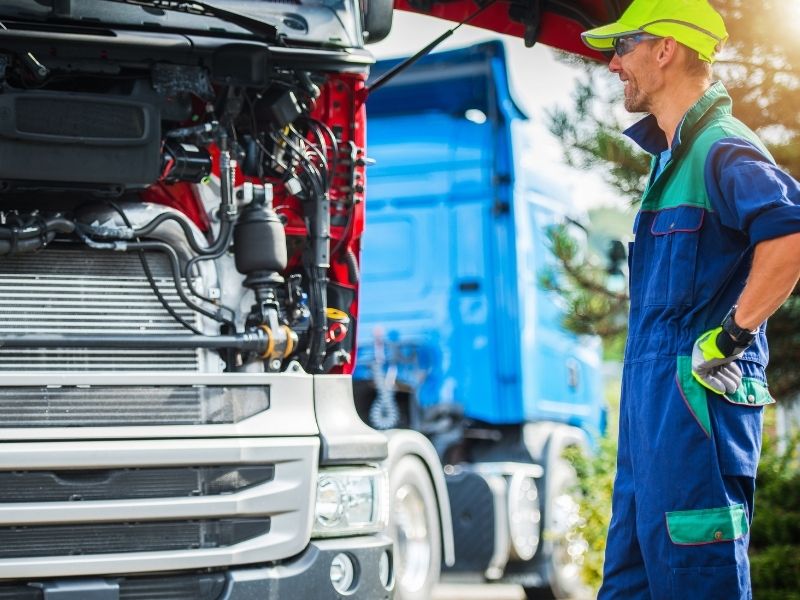
Smart maintenance strategies for busy truckers

Smart maintenance strategies for busy truckers

Keeping a rig roadworthy shouldn’t feel like a second full‑time job. If you’re juggling loads, tight ETAs, and cat‑naps at truck stops, maintenance has to be simple, fast, and effective. Here’s a casual, no‑nonsense playbook to keep your truck healthy without hijacking your schedule.

Routine you can actually stick to

Consistency beats heroics. Build a weekly 15‑minute walkaround: lights, tires, leaks, belts, and fluid levels. Snap quick photos to track changes—your future self will thank you when something starts to drift. Tie it to something you already do, like fueling, so the habit sticks.

Make a monthly “mini‑service” checklist: drain water from air tanks, inspect brake lining, torque lug nuts, and check battery terminals for corrosion. Keep the checklist on your phone and tick items off right after a haul while the truck is cooling down.

Fluids: the lifeblood

Oil and coolant don’t just lubricate and cool—they tell stories. Watch for milky oil (coolant leak) or metallic shimmer (wear). Keep OEM‑spec fluids in labeled jugs, and stash a spill kit so you’re not scrambling in a parking lot.

Use oil analysis every other change. It’s a $30 crystal ball for fuel dilution, soot, silicon (dust), and early bearing wear. Set a calendar reminder; the data helps you extend intervals without gambling with downtime.

You can also read: Long haul driving tips: how to keep your truck and yourself in top shape

Tires: rolling profit

Tires eat margins if you ignore them. Check pressure cold and log it; a 10 PSI drop can spike temps and shave thousands of miles off tread life. Rotate and match duals—mismatched diameters cause scrubbing and heat.

Invest in a decent tread‑depth gauge and infrared thermometer. Catching a hot tire early often means saving a casing. If you run mixed routes, consider fuel‑efficient steers and more durable drives; spec for your reality, not the brochure.

Don’t forget to call the pros in case you need roadside assistance. We come to you 24/7. Call Marathon!

Brakes and air system

Air leaks are stealthy time thieves. Spray soapy water on fittings, tanks, and lines during your weekly check. Note any bubbling and fix small leaks before they become compressor killers.

Drain tanks regularly and replace desiccant on schedule. Sticky valves and moisture wreck stopping power. If your pedal feel changes or stopping distance creeps, don’t “monitor it”—schedule service.

Electrical: small wires, big problems

Wiring gremlins love vibration. Zip‑tie loose harnesses, protect chafe points with split loom, and use dielectric grease on connectors. Keep spare fuses and a cheap multimeter in the cab.

Slow cranks? Load‑test batteries and check grounds. Clean, tight grounds solve half of “mystery” issues. Log any aftermarket add‑ons so techs don’t play detective when you’re on a deadline.

You might like: How to prevent brake and tire failures on long hauls

Data, tools, and the right partners

Telematics and dash diagnostics aren’t just toys—use them. Set alerts for DPF regens, temps, and misfire codes. A handheld scan tool pays for itself the first time it saves a roadside call.

Build relationships with two shops: one near home, one on your main lane. Share your maintenance logs. When a wrench already knows your truck, you’re back rolling faster.

Call us for truck repair road service here. We are in Florida, Texas and Georgia. Open 24/7.

Publicado el

Long haul driving tips: how to keep your truck and yourself in top shape

Long haul driving tips how to keep your truck and yourself in top shape

The open road is calling, but long-haul trucking is a lifestyle that demands discipline—not just for your truck, but for your body and mind. Days (or nights!) spent behind the wheel can take a toll, but with a few smart strategies, you can keep both your rig and yourself in top working order. Remember: a healthy driver is a safe and efficient driver.

Your truck: The pre-trip ritual

Never, ever skip your pre-trip inspection. This isn’t just a rule; it’s your defense against downtime and danger. Check your tires—pressure, tread depth, and look for any irregular wear or damage. Test all your lights, brakes, and fluid levels. A small issue caught in the lot is infinitely better than a full-blown breakdown 500 miles from the nearest service center. Keep a well-stocked emergency kit with basic tools and spare fuses, and address any maintenance flags immediately. Your truck is your office and your livelihood—treat it like the expensive piece of machinery it is!

In case of emergencies, we’re here for you 24/7. Call us for mobile truck repairs!

Your body: Fight fatigue and fast food

The biggest danger on the road is a tired or unhealthy driver.

  • Prioritize sleep: Adhere strictly to HOS (Hours-of-Service) rules and aim for quality, consistent sleep.
  • Stay hydrated: Swap out sugary sodas and excess caffeine for water. Dehydration leads to fatigue faster than you think.
  • Eat smart: Truck stops are tempting, but meal prep is your friend. Pack healthy snacks (nuts, fruit, pre-cut veggies) and lean meals. Avoid the heavy, processed foods that cause energy crashes.

You can also read: How to prevent brake and tire failures on long hauls

Your mind: Move and engage

Sitting for hours on end is rough on your body. Use your mandated breaks to move!

Get out and stretch: Walk a few laps around your truck, do simple stretches, squats, or push-ups near your rig. Even 15 minutes of activity can make a huge difference in circulation and alertness. To keep your mind sharp, use audiobooks or podcasts to stay engaged. Stay connected with family and friends during your downtime. A healthy mind is crucial for staying focused, alert, and stress-free during those long miles.

Call us for truck repair road service here. We are in Florida, Texas and Georgia. Open 24/7.

Publicado el

How to prevent brake and tire failures on long hauls

How to prevent brake and tire failures on long hauls

Brake and tire failures are among the leading causes of roadside emergencies for truck drivers, especially during long hauls. Keeping your truck’s brakes and tires in top condition isn’t just about avoiding delays—it’s crucial for your safety and the safety of everyone on the road. Here’s how you can actively prevent these failures before they put you or your cargo at risk.

Consistent pre-trip inspections

Before hitting the highway, thorough pre-trip inspections are essential. Checking the brake pads, rotors, hoses, and fluid levels can help you catch early signs of wear or leaks. Don’t forget to look for uneven tire wear, cuts, or bulges that could indicate an impending blowout.

Routine inspections not only help you stay compliant with regulations, but also extend the lifespan of your brakes and tires. Documenting your checks lets you notice compelling patterns—like recurring issues on the same axle—that might otherwise go unnoticed.

Avoid downtime. Marathon gives you on-site truck repairs, 24/7. Call us!

Proper maintenance schedules

Sticking to your truck’s maintenance schedule is one of the best defenses against brake and tire failures. Replace brake components and tires according to the manufacturer’s recommendations, even if they seem to have some life left.

Professional servicing ensures complex systems such as air brakes are adjusted and lubricated properly. Lubrication minimizes the risk of slow or stuck brake application, while periodic alignment and balancing lessen stress on tires during long runs.

You can also read: The hidden costs of bad brakes: 3 signs it’s time for a service

Smart driving habits

The way you drive directly affects the condition of your brakes and tires. Avoid hard stops and sudden lane changes whenever possible; smooth, gradual braking puts far less strain on components.

Maintain a safe speed and allow adequate space for braking, especially in mountainous terrain or adverse weather. Monitoring load distribution prevents excessive pressure on a single tire or braking set, reducing the risk of failure on extended routes.

Call us for truck repair road service here. We are in Florida, Texas and Georgia. Open 24/7.

Publicado el

The hidden costs of bad brakes: 3 signs it’s time for a service

The hidden costs of bad brakes 3 signs it’s time for a service

Bad brakes rarely announce themselves with a fanfare—usually, the signs are subtle, and we’re too busy to pay attention until it’s too late. Ignoring brake issues can have consequences that stretch far beyond the initial inconvenience. There are hidden costs to letting brake troubles linger, from safety risks to mounting repair bills. If you want to drive with complete peace of mind, it’s crucial to know when your car is calling for attention. Here are three telltale signs it’s time for a brake service, and what ignoring them could cost you in the long run.

Squealing, grinding, or unusual noises

One of the most common warning signs is a persistent squealing or grinding noise when braking. These sounds usually indicate worn brake pads or metal scraping against metal—a clear cry for help from your vehicle. If left unchecked, these issues can quickly escalate, causing additional damage to rotors and costing you much more in repairs.

The financial cost is just the start; ignoring these noises can also lead to decreased braking performance, making your truck less safe on the road. Over time, this might even mean complete brake failure—a scenario no driver wants to imagine. Responding early can save you both money and worry.

Need repairs? We come to you. Contact us for mobile truck & trailer repairs 24/7.

A soft or spongy brake pedal

Does your brake pedal feel unusually soft or spongy when you press down? This could signal air or moisture in your brake lines, or even a leak in your hydraulic system. These issues make it much harder to stop your vehicle quickly and safely.

If you put off repairs, minor issues can snowball into catastrophic system failures. You might find yourself with brakes that don’t respond at all—a terrifying prospect during everyday driving. Addressing a soft pedal early can prevent bigger problems and keep you confidently in control.

You might be interested in: Keeping Freight on Schedule: How 24/7 Repairs Reduce Downtime

Truck pulling or vibration when braking

If your truck pulls to one side or you feel vibrations when applying the brakes, don’t overlook it. These symptoms can point to uneven brake pad wear, warped rotors, or other alignment problems.

Letting these problems linger means more than just discomfort. Over time, they put uneven strain on your truck’s braking system and tires, ultimately costing you in repairs and reducing overall vehicle lifespan. Tuning in to your car’s warning signs—however subtle—can help you steer clear of the truly hidden costs of bad brakes.

Call us for truck repair road service here. We are in Florida, Texas and Georgia. Open 24/7.
Publicado el

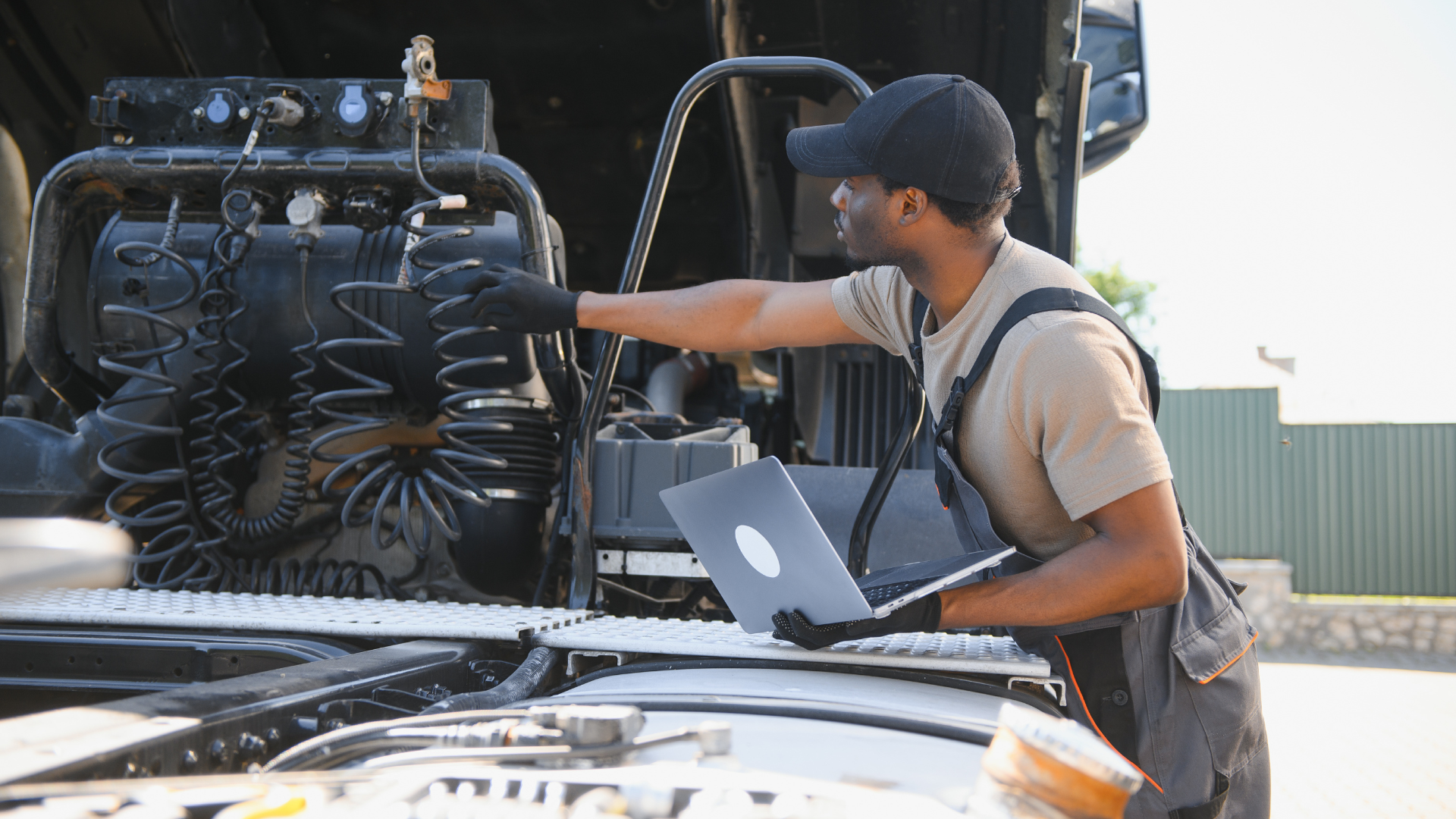
How to Spot Trouble Before It Strikes: Tips from Mobile Diesel Experts

How to Spot Trouble Before It Strikes: Tips from Mobile Diesel Experts

In the trucking industry, time lost is money wasted. A breakdown doesn’t just disrupt one delivery; it can ripple across schedules, affect customer relationships, and lead to expensive repairs. The best way to keep freight on schedule is to address problems before they escalate. Preventive maintenance and a trained eye for warning signs can make all the difference. With insights from mobile diesel experts, here’s how you can stay ahead of potential issues and keep your truck running smoothly.

Why Early Detection Matters

Every trucker knows the frustration of a sudden roadside emergency. While mobile repair services can get you back on the road quickly, avoiding a breakdown altogether is even better. Early detection prevents:

  • Unexpected Delays : Spotting an issue early allows for planned repairs during downtime instead of urgent mid-route fixes.
  • Costly Repairs : Addressing minor problems before they worsen can save thousands in major overhauls.
  • Safety Risks : A breakdown on a busy highway is not just inconvenient; it can also be dangerous for the driver and others on the road.

With a little know-how and routine vigilance, you can catch potential trouble before it derails your journey.

Marathon saves you time and money to keep you moving, visit our website here .

Top Warning Signs to Watch For

  1. Irregular Sounds or Vibrations
    A truck in good condition should run smoothly. Unusual noises like knocking, hissing, or grinding could signal problems with the engine, transmission, or brakes. Similarly, vibrations in the steering wheel or seat might point to misaligned tires or suspension issues.
  2. Decreased Fuel Efficiency
    If you’re visiting the pump more often than usual, something might be wrong. Poor fuel efficiency can be an early indicator of clogged filters, malfunctioning injectors, or even problems with the fuel pump.
  3. Fluid Leaks
    Never ignore a puddle under your truck. Leaking oil, coolant, or brake fluid can lead to severe damage or even failure. Check regularly for stains or drips around your vehicle.
  4. Dashboard Warning Lights
    It’s tempting to ignore those little lights on the dashboard, but they’re there for a reason. A check engine light, for instance, could mean anything from a loose gas cap to a serious engine issue. Pay attention and address warning signals as soon as they appear.
  5. Changes in Braking Performance
    Brakes are critical for safety and performance. If you notice the brakes feeling spongy, grinding noises, or a longer stopping distance, have them checked immediately.
  6. Tire Wear and Pressure
    Uneven tread wear, low pressure, or visible damage to tires can lead to blowouts, especially under heavy loads. Regularly inspect your tires to ensure they’re road-ready.

Need quick assistance?? Our team of expert mechanics will arrive at your location in record time, call us !

Routine Maintenance: Your Best Defense Against Downtime

Preventive maintenance is the backbone of a reliable truck. Simple habits can dramatically extend the life of your vehicle and reduce the likelihood of emergencies. Here are key maintenance tasks to include in your routine:

  • Regular Inspections : Walk around your truck before every trip, checking tires, lights, and fluid levels.
  • Oil Changes : Stick to the recommended schedule to keep your engine running smoothly.
  • Filter Replacements : Air and fuel filters protect your engine from contaminants. Replace them regularly.
  • Brake Checks : Inspect brake pads and rotors for wear. Don’t wait until you hear grinding sounds.
  • Coolant System Upkeep : Prevent overheating by ensuring coolant levels are adequate and hoses are in good condition.

By combining these practices with a sharp eye for warning signs, you’ll drastically reduce the risk of roadside emergencies.

Let us restore your truck’s performance! Call us here.

Partnering with Experts for Added Peace of Mind

Even the most vigilant truckers need a professional’s expertise from time to time. Mobile diesel repair experts are invaluable allies for keeping your truck in top shape. These technicians are trained to identify hidden issues that could lead to major problems down the road. By working with a trusted mobile repair service, you get the convenience of on-site support and the confidence of knowing your vehicle is in expert hands.

Why Choose Marathon Truck & Trailer Repair

At Marathon Truck & Trailer Repair , we’re not just here to fix breakdowns—we’re here to prevent them. Our team of skilled mobile diesel experts specializes in spotting trouble before it strikes, helping you keep freight moving and schedules intact.

Here’s what sets us apart:

  • 24/7 Mobile Services : We’re always available, whether you need emergency assistance or a routine inspection.
  • Experienced Technicians : Our team is equipped to handle everything from minor fixes to complex diagnostics.
  • Preventive Maintenance Plans : Stay ahead of issues with our tailored maintenance services designed to keep your truck road-ready.

Don’t let unexpected problems slow you down. Trust Marathon Truck & Trailer Repair to be your partner in reliability. Contact us today to learn more about how we can keep your fleet running smoothly and your freight on schedule.

Call us for truck repair road service here . We are in Florida, Texas and Georgia. Open 24/7.

Publicado el

Keeping Freight on Schedule: How 24/7 Repairs Reduce Downtime

Truck repair reduces truck downtime.

In the world of trucking, time is money. Every minute a rig is stuck on the side of the road translates into delayed deliveries, unhappy clients, and lost revenue. But breakdowns don’t adhere to business hours—they happen whenever and wherever they please. That’s why 24/7 truck repair and breakdown services are a game-changer for drivers, fleet managers, and the entire freight industry. With reliable truck maintenance, businesses can minimize downtime and keep operations running smoothly.

Let’s explore how round-the-clock repair solutions keep trucks rolling, minimize downtime, and help you stay on schedule, no matter what challenges arise.

The Impact of Downtime on Freight Operations

When a truck breaks down, the clock starts ticking. What happens next can make or break your delivery timeline. Here are some common consequences of downtime:

  • Missed Deadlines: Late deliveries damage your reputation and may result in penalties.
  • Lost Revenue: A stationary truck isn’t earning money, and towing costs can add up.
  • Increased Stress: Drivers and dispatchers alike feel the pressure to get back on track.
  • Client Dissatisfaction: Repeat business depends on reliability, and delays can erode trust.

The longer a truck sits idle, the bigger the ripple effect across your entire operation. That’s where 24/7 mobile repair services come in to save the day.

Let us restore your truck’s performance! Call us here.

How 24/7 Repairs Keep Freight on Track

  1. Immediate Assistance Anytime, Anywhere
    Breakdowns don’t respect schedules. Whether it’s 2 a.m. on a remote highway or midday during a busy route, 24/7 repair services ensure that help is always just a phone call away. Mobile technicians arrive quickly, reducing the time spent waiting for a tow or shop availability.
  2. On-Site Solutions
    The beauty of mobile repair is its efficiency. Rather than transporting the truck to a shop, technicians come equipped with tools and parts to fix the problem on-site. This eliminates towing costs and cuts hours—if not days—off the total repair time.
  3. Comprehensive Repairs
    Mobile units are equipped to handle a wide range of issues, including:
  • Tire repairs and replacements
  • Battery jumps or replacements
  • Brake system adjustments
  • Electrical diagnostics and fixes
  • Cooling system repairs
  • Fuel delivery for stranded vehicles

By addressing these issues directly at the breakdown site, 24/7 services prevent minor problems from escalating into major ones.

Minimizing Ripple Effects on Operations

When downtime is minimized, the entire freight system benefits. Here’s how:

  • Drivers Stay Productive: Quick fixes mean drivers spend less time waiting and more time on the road.
  • Fleet Managers Save Money: Preventive maintenance and fast repairs reduce overall operational costs.
  • Clients Remain Happy: On-time deliveries maintain trust and secure repeat business.

The ability to respond rapidly to unexpected breakdowns transforms the narrative from crisis to control, keeping operations running smoothly.

Our team is 100% trained to help you and solve any problem. Contact us!

The Value of Preventive Maintenance with 24/7 Support

While emergency repairs are essential, combining them with regular maintenance is the ultimate strategy for reducing downtime. Many 24/7 repair companies offer scheduled services to keep trucks in peak condition, such as:

  • Oil changes
  • Brake inspections
  • Filter replacements
  • Fluid top-offs
  • Comprehensive system checks

By investing in preventive care, you can catch small issues before they lead to costly breakdowns, ensuring your truck is road-ready at all times.

Choosing the Right 24/7 Repair Partner

Not all mobile repair services are created equal. When selecting a provider, consider the following:

  • Response Time: Fast arrivals make all the difference during an emergency.
  • Expertise: Certified, experienced technicians are a must for quality repairs.
  • Availability: Ensure the provider truly operates 24/7, with no exceptions.
  • Customer Service: Friendly, transparent communication builds trust.

Partnering with a reliable 24/7 repair service is like having an insurance policy for your fleet—peace of mind when you need it most.

Need quick assistance?? Our team of expert mechanics will arrive at your location in record time, call us!

Why Marathon Truck & Trailer Repair Is Your Best Ally

At Marathon Truck & Trailer Repair, we understand the importance of keeping freight on schedule. That’s why we offer round-the-clock mobile repair services designed to minimize your downtime and maximize your peace of mind.

Here’s what sets us apart:

  • 24/7 Availability: No matter the time, no matter the place, we’re here for you.
  • Skilled Technicians: Our certified professionals tackle even the toughest repairs with precision and care.
  • Fully Equipped Units: From tires to diagnostics, we bring the tools and expertise to handle a wide range of issues on-site.
  • Fast Response Times: We value your time and pride ourselves on getting you back on the road quickly.

When you choose Marathon Truck & Trailer Repair, you’re choosing a partner dedicated to your success. With us by your side, you can focus on what matters most—delivering freight on time and keeping your business running smoothly.

Don’t let breakdowns derail your schedule. Call Marathon Truck & Trailer Repair anytime, anywhere, and experience the difference of 24/7 mobile service!

Call us for truck repair road service here. We are in Florida, Texas and Georgia. Also check our Google Profile For More Information and Details. Open 24/7.